

There’s something oddly reassuring about hearing a comedian admit they were never the funniest person in the room. Not as a form of self-doubt, but as a quiet kind of honesty. Because it challenges the idea that success in creative work comes from natural talent alone.
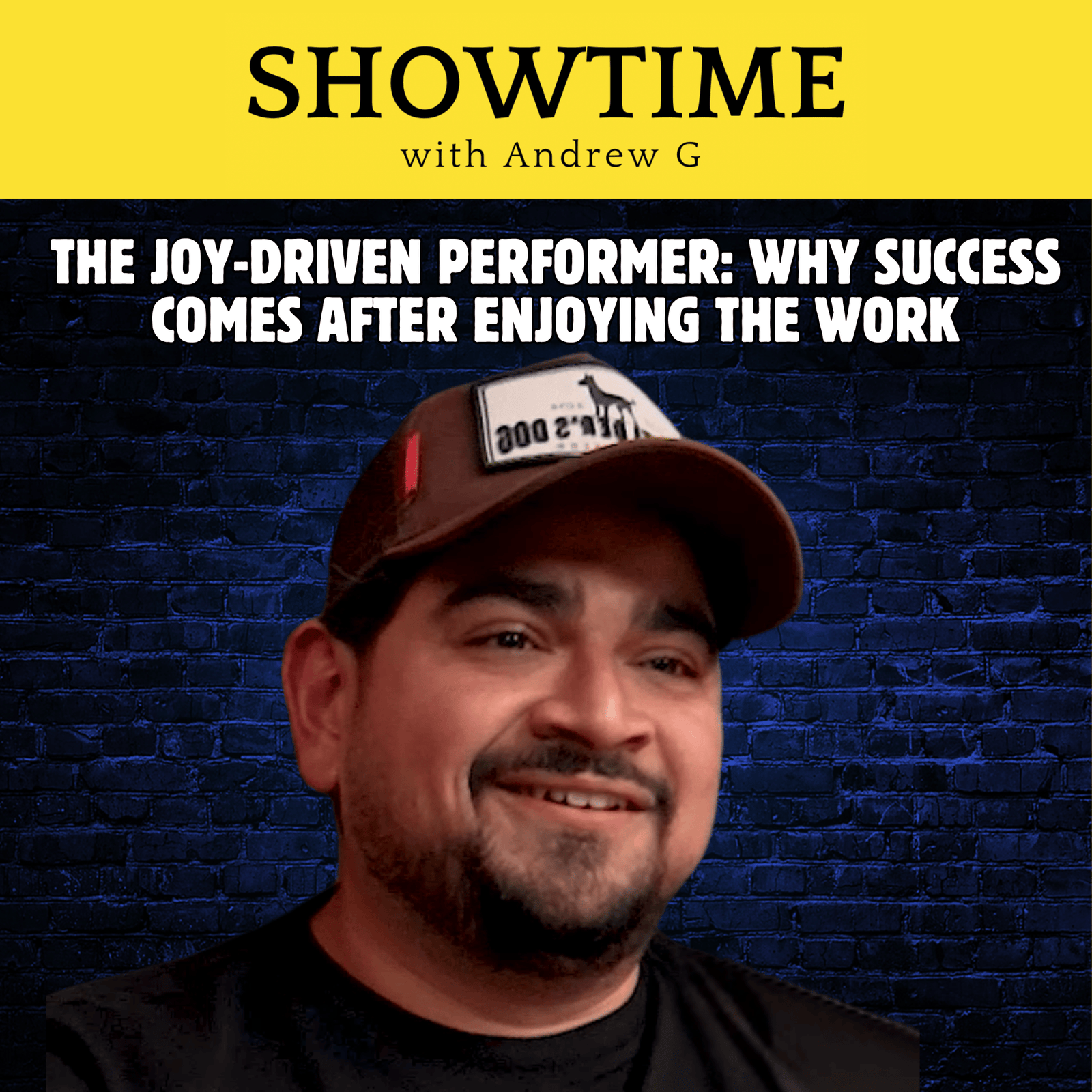
In this episode of Showtime, Andrew G sits down with Dilruk Jayasinha, a comedian known for his warmth, sharp perspective, and unmistakable laugh. But what unfolds isn’t just a story about stand-up. It’s about identity, fulfilment, and the long, often uncomfortable path to doing work that actually feels right.
Dilruk talks about growing up in a household where humour wasn’t just entertainment, it was currency. In a home full of people, making others laugh was how you were seen, heard, and valued. It wasn’t about being the best, it was about being part of something. And that early connection to laughter stayed with him, even if he never believed he was the funniest person around.
What makes his story compelling is how far it sits from the typical narrative. He didn’t jump straight into comedy. He followed the “right” path first. A good education, a stable career, a job at a major accounting firm. On paper, everything was working. In reality, it wasn’t.
He describes that period not with anger, but with clarity. The environment wasn’t wrong, it just wasn’t right for him. For the first time in his life, he couldn’t find joy in what he was doing. And that absence of joy became impossible to ignore. It wasn’t dramatic, but it was constant. A quiet, persistent feeling that something wasn’t aligned.
That realisation became a turning point. Not because he had a clear plan, but because he finally acknowledged that success without fulfilment wasn’t enough.
When he first stepped on stage, it didn’t go well. No big breakthrough moment. No instant validation. Just silence. But instead of walking away, he found something unexpected in that experience. Even in failure, there was a sense of excitement. A feeling that this was something worth getting better at.
And that’s where his perspective shifts from what people expect. Comedy, for him, isn’t about being naturally gifted. It’s about showing up. Repeatedly. Willingly. Even when it’s uncomfortable.
He speaks openly about being bad for years. About learning slowly. About not having the kind of effortless talent people assume comedians have. But instead of seeing that as a weakness, it became his foundation. Every improvement was earned. Every small win meant something.
Because in comedy, failure isn’t something you avoid. It’s something you work through. Every joke is tested in real time. Every silence is feedback. There’s no shortcut to figuring it out.
What stands out most is his philosophy around the work itself. For Dilruk, the goal was never just success. It was finding joy in the process. The writing, the refining, the small adjustments that most people never see. Even the difficult parts had to feel meaningful, otherwise it wasn’t worth doing.
That mindset extends into his latest show, Gratitude Guy. After years of drawing from painful experiences, he realised something important. Processing those moments on stage wasn’t the same as processing them in life. The act of performing had kept him close to those feelings, replaying them over and over.
This new show became a way to shift that perspective. Not by ignoring the hard parts, but by choosing to focus on what still feels good. What still matters. What’s worth appreciating.
It’s not a simple or perfect transition. And he doesn’t pretend it is. But it reflects a deeper awareness of how creative work can shape not just what you produce, but how you experience your own life.
There’s also a refreshing honesty in how he talks about risk. Walking away from a stable career sounds bold, but he’s careful not to romanticise it. He recognises the privilege of having a safety net, of being in a position where failure wouldn’t carry the same consequences it might for someone else.
That self-awareness grounds the story. It removes the illusion of a perfect leap and replaces it with something more real. A decision made with uncertainty, but also with intention.
And maybe that’s what this conversation really comes back to. Not talent. Not luck. Not even success.
It’s about alignment.
Finding work that feels right, even when it’s hard. Choosing growth over comfort. Letting go of what looks good on paper in favour of what actually feels meaningful.
Because when you strip everything else away, the reason for doing it becomes simple.
It’s not about being the best. It’s not about always getting it right.
It’s about finding something that feels worth the effort.
And showing up for it anyway.
