

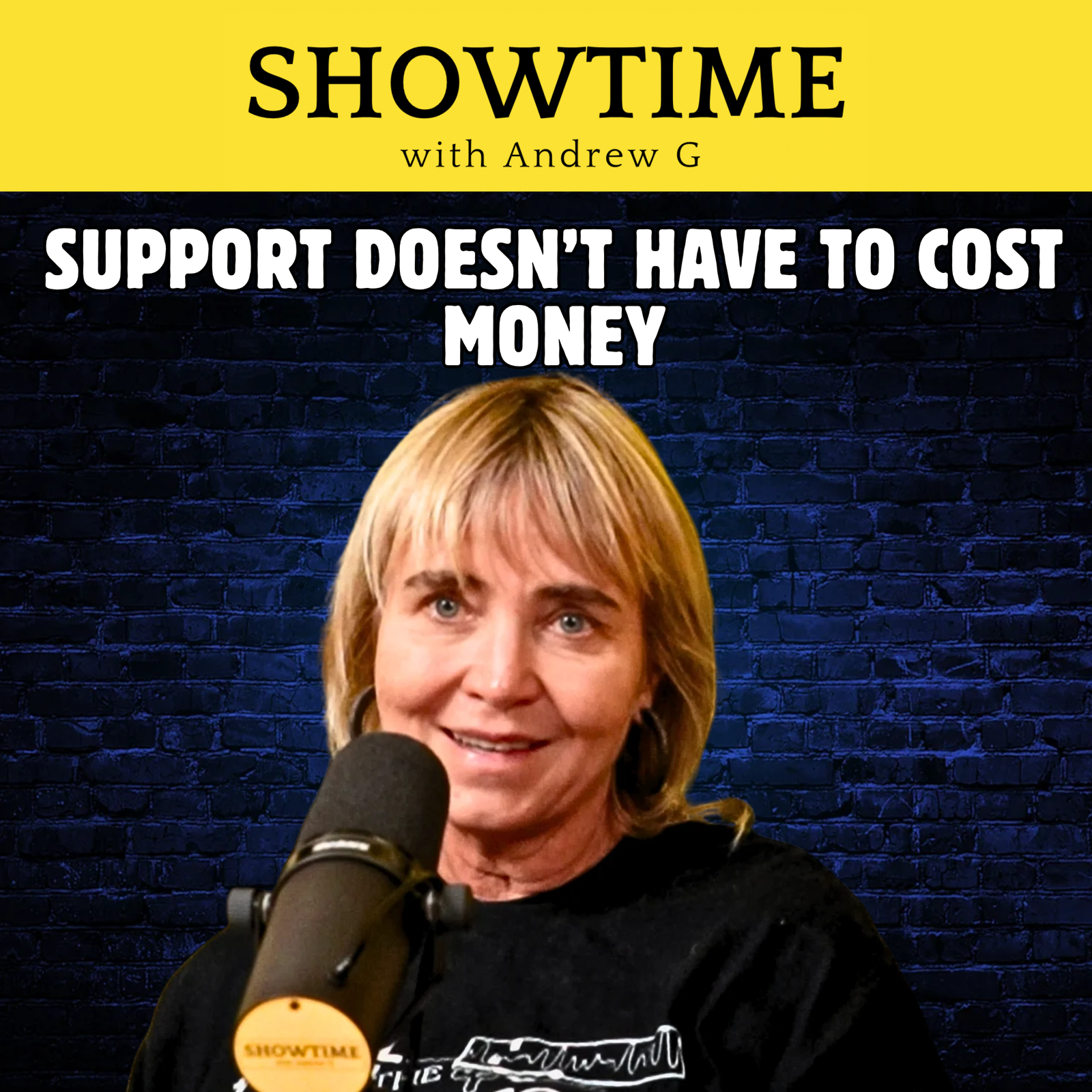
Fiona Duncan has spent more than 30 years in the music industry, and she still cries at gigs. “Did you cry?” is the first thing her friends and family ask when she tells them it was a great show. It’s the feeling of being in a room with other people, she says, when music levitates you in a way nothing else does. That feeling, and the fear of losing it, is what drives this episode of Showtime, recorded in the weeks before the Victorian state election on Saturday 28 November.
Fiona is the CEO of Music Victoria and has managed Spiderbait since their early days, guiding them from emerging band to one of Australia’s most enduring rock acts. She came to music by accident. Growing up in Melbourne’s bayside suburbs, she was a tennis kid with tennis posters on her wall, until she went to see friends from a summer pub job play in a band. Walking into the venue, she says, she felt she was home. She got a job there that week, and has never really left. She volunteered at Triple R while studying business and marketing, started The Trip magazine as an internship project, and went on to work as a publicist, a booker and a tour manager before moving into management. Over her career she has managed about 11 artists, until one of them took off.
Her early days with Spiderbait left her with a healthy sense of what it takes. They were ignored for years, she says, and she used to write reviews under a fake name to get them mentioned in the street press. It’s why her advice to young artists hasn’t changed: work on your art, and build your community, both with other artists and with audiences. The bands from the 1990s still have big crowds today, she argues, because of the close relationship they built with their audiences back when community radio, street press and Triple J were the main ways to find new music.
That’s also why she believes community radio matters more than ever. In a world of streaming, she says, we’ve lost the curator, the announcer whose taste you trust. Everything is available, but finding anything is almost impossible, and the algorithm decides what you hear. Social media, in her view, is a nightmare for musicians: it’s a whole other job on top of making music, and she says she keeps the artists she manages as far from the comments as possible, because it can change how they write and play.
Fiona describes what she calls a dual reality. Victoria, she says, has the most artists, venues and record stores in the country and sells more stadium and arena tickets than any other state, so on the surface everything looks fine. Underneath, the grassroots scene, which she calls the industry’s R&D department, is struggling, and she warns that the effects will show up in a few years if nothing changes. The reasons are many: streaming has narrowed what people hear, ticket prices and the cost of living take a bite out of discretionary spending, COVID broke the habit of going out, and people drink less than they used to. There’s no single villain, she says. It’s a thousand snipers, a sense of erosion.
The impact goes well beyond the stage. When a venue closes, she says, you lose the tech crew, the bar staff, the security and the community connection, and you lose a training ground for the next generation of promoters, managers and sound engineers. She notes Music Victoria’s venue audit found the state has lost around 20 percent of its venues, and points out that music is a $3.55 billion industry in Victoria. All-ages shows are another casualty, she says, because licensing and red tape make them hard to put on, and those teenage gig experiences tend to stay with people for life. Where structural support exists, as in the regional Geelong scene she lives near, she sees the difference.
That’s the thinking behind Vote Victorian Music, the sector-led campaign Music Victoria launched at a gathering of industry figures at the Melbourne Town Hall in August. Fiona was frustrated that different parts of the industry were all asking government for different things, so they built a single policy platform and took it to every party. She remembers the assembly as super emotional, with people in tears and a real sense of hope. Parties, she says, are listening, and some of their policy language now borrows from the campaign’s documents, but they’re still short of what the industry wants.
Its centrepiece is a proposal for a permanent Victorian Music Trust, funded by a legislated 1 percent levy on tickets for major events at stadiums, arenas and government-owned venues. Fiona argues it would give venues, artists and businesses a steady stream of funding they can plan around, instead of one-off band-aid grants, and keep some of the money from Victoria’s big shows in Victoria. It isn’t taxpayer money, she emphasises, but the top end of the industry reinvesting in the grassroots where it began. She points to France, which she says has had a ticket levy for around 25 years and now also has a streaming levy. She also backs local content quotas on streaming, acknowledging that some people disagree, because she believes voluntary measures aren’t working.
Fiona also makes a broader case. Victoria, she says, receives the least contemporary music funding of any major music state, contemporary music was removed as a state budget line in 2025, and Australia invests less in culture than its wealth would suggest. Her view is that culture belongs at the centre of government thinking, given its links to wellbeing, community cohesion and the economy. When asked if she sees the funding pressure easing, she says the budget outlook suggests it may not, which is why she wants a mechanism that sits outside the annual budget cycle.
What can ordinary Victorians do? Her answer is refreshingly simple: buy tickets, and buy them early, so venues know they’ll have an audience, and so they can roster staff. Go to shows, buy merch, and listen to and share local music. It doesn’t have to cost money to support a local artist, she says, and sharing something you love online counts. She points to the effect of the Australian tab in the Triple J Hottest 100, which led to far more local artists making the list.
She’s still optimistic. Dom Dolla, who has sold out Marvel Stadium, started in local clubs, she notes, and so did Amyl and the Sniffers and King Gizzard, who are now international acts built on Melbourne’s venues. Her fear is that we’ll lose artists who never come back, because once venues and festivals are gone, they’re very hard to get back. The status quo is working for the stadiums, she says, but not for the rest of the industry.
And the question she wishes more people would ask? What poster was on your bedroom wall as a teenager. Fiona’s was tennis: Tracy Austin and Pancho Gonzales.
Victoria goes to the polls on Saturday 28 November. To read the Vote Victorian Music platform and add your voice, head to the campaign website, or tell the ABC what music means to you.
Vote Victorian Music: votevicmusic.com.au Tell the ABC what music means to you: abc.net.au
Follow Andrew G: @AndrewGShowtime Follow Showtime: @ShowtimePodcastAU Follow Music Victoria: @musicvictoria
Subscribe to Showtime with Andrew G for weekly conversations with the people behind the curtain.