

There’s something deeply familiar about the idea of a Parma night. Not because of the food itself, but because of what it represents. A standing ritual. A shared table. The same group of mates coming together despite life constantly pulling them in different directions. It’s ordinary on the surface, but underneath it carries something far more emotional—comfort, nostalgia, identity, and the quiet fear of change.
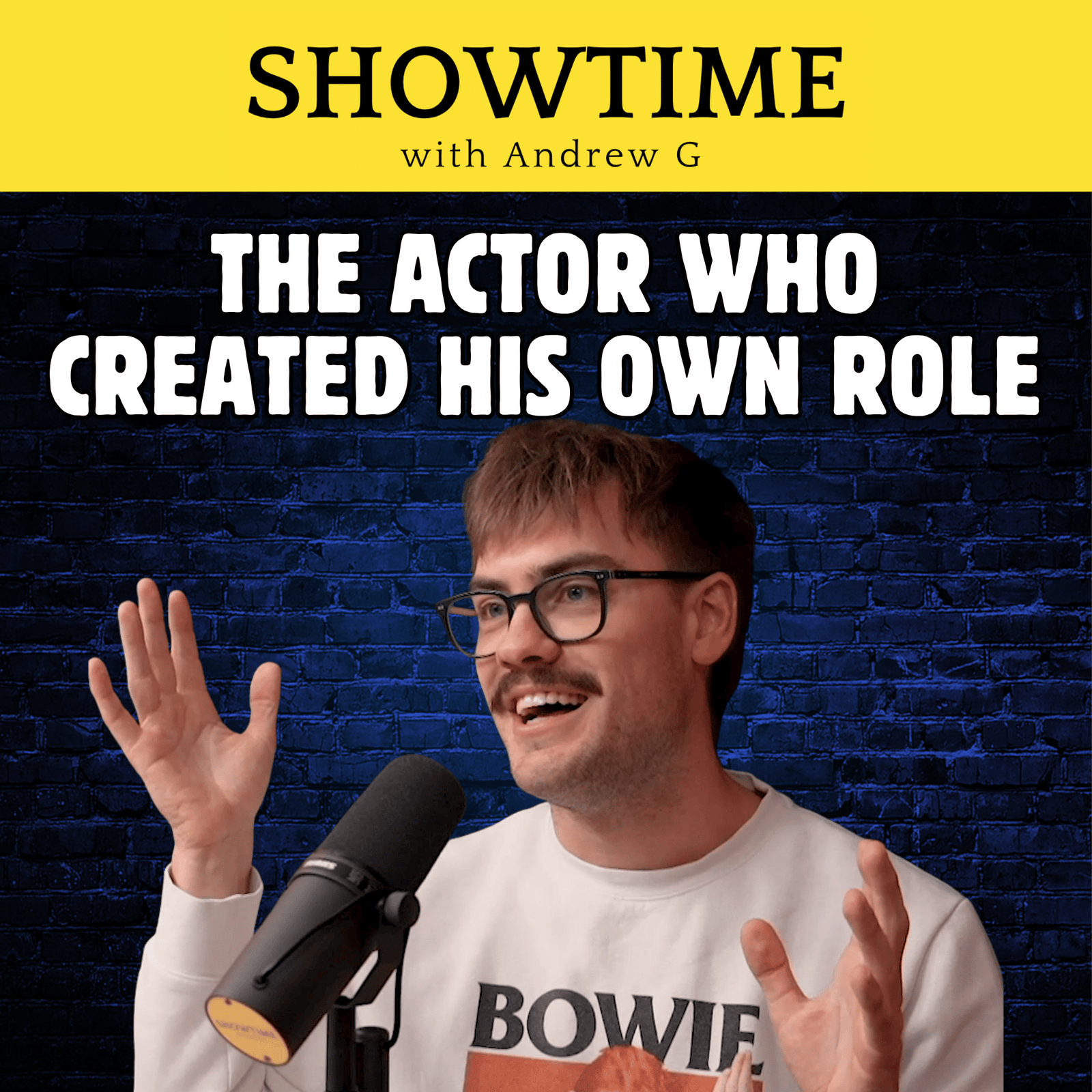
In this episode of Showtime, Andrew G sits down with Max Meaden, the writer, producer, and star behind The Last Parma Night, a darkly funny and surprisingly emotional new Australian play inspired by the rituals and friendships that shape so many young people’s lives. What begins as a conversation about theatre quickly becomes something deeper: a reflection on storytelling, growing up, creative risk, and the complicated tension between wanting life to move forward while desperately wanting certain moments to stay exactly the same.
For Max, storytelling has always been instinctive. Long before writing plays or stepping onto professional stages, he was obsessed with worlds that could transport people somewhere unexpected. That obsession started with Doctor Who, a show that captured his imagination because every episode felt unpredictable, emotional, funny, strange, and deeply human all at once. It wasn’t just about adventure or spectacle. It was about characters confronting impossible situations and discovering who they were underneath the chaos. That fascination with character-driven storytelling never really left him.
What makes Max’s creative journey interesting is how naturally performance and writing seem to overlap. Early experiences on stage weren’t driven by fear or hesitation, but excitement. There was a freedom in performing that immediately felt right to him—a feeling that later evolved through formal training at 16th Street Actors Studio, where he began understanding not just how to perform stories, but how stories themselves are constructed. The psychology beneath dialogue. The emotional rhythm of scenes. The subtle tension underneath what characters say versus what they actually mean.
That deeper understanding eventually pushed him toward writing his own work.
Like many actors, Max experienced the frustrations of auditioning and waiting for opportunities that may never arrive. Sitting in rooms filled with people who looked exactly like him, competing for the same handful of roles, eventually sparked a realization: instead of waiting for permission to tell stories, he could create them himself. And that decision became the foundation for The Last Parma Night.
What’s compelling about the play is how grounded it feels despite its surreal edges. The story follows a group of mates reconnecting at the pub where they spent much of their youth, trying to hold onto a version of life that no longer really exists. Around them, adulthood is creeping in. Careers are changing. Relationships are shifting. People are moving forward at different speeds. And for some, that change feels exciting. For others, it feels terrifying.
The Parma night itself becomes symbolic.
Not because there’s anything extraordinary about pub meals or cheap drinks, but because rituals like these quietly anchor people to certain periods of their lives. Every city, suburb, and town has its own version of it. Maybe it’s a weekly dinner. Maybe it’s trivia night. Maybe it’s sport, golf, or seeing the same faces at a local café. Whatever form it takes, it becomes less about the activity and more about the feeling of familiarity it creates.
And that’s exactly what Max captures so well.
Beneath the humour and the distinctly Australian setting is a deeper conversation about nostalgia and the danger of becoming trapped inside it. The desire to keep everyone together forever. The fear that if people change too much, the connection disappears with them. The play explores what happens when comfort becomes something people cling to instead of something they appreciate.
At the same time, The Last Parma Night refuses to stay entirely grounded in realism. Influenced by Max’s love of sci-fi and darker storytelling, the play introduces surreal undertones and an unfolding mystery that constantly shifts audience expectations. It’s not content with simply being a straightforward pub comedy. Instead, it moves into stranger, more emotionally layered territory, asking audiences to question memory, perspective, and the meaning underneath the rituals themselves.
That unpredictability mirrors the way Max approaches storytelling overall. There’s a clear belief that audiences don’t just want familiarity—they want surprise. They want to feel slightly unsettled. They want stories that begin somewhere recognisable before taking them somewhere emotionally unexpected.
Beyond the play itself, the conversation also touches on the realities of building a creative career in Australia. Max speaks openly about the challenges of creating original Australian work in an industry often overshadowed by imported productions and global streaming culture. There’s a frustration in knowing how many powerful local stories exist while also understanding how difficult it can be to secure funding, support, and visibility for them.
But there’s also optimism.
Because Australian stories carry something uniquely valuable: recognition. Hearing local voices. Seeing familiar environments. Watching people who speak, behave, and think like the communities audiences actually come from. There’s power in that kind of reflection, especially in an entertainment landscape increasingly dominated by international content.
The conversation also explores the modern pressure creatives face in promoting their work online. Social media has made visibility more accessible, but also infinitely more competitive. Artists are no longer just competing with other artists—they’re competing with algorithms, influencers, and an endless stream of content fighting for attention. And yet, despite the exhaustion that comes with that reality, there’s still an understanding that adapting to these platforms is now part of the creative process itself.
At its core, though, this episode isn’t really about theatre, social media, or even Parma nights.
It’s about friendship.
About the strange emotional transition from youth into adulthood. About watching the people around you evolve while trying to figure out who you are becoming yourself. It’s about creativity as a way of processing change, uncertainty, and identity. And it’s about recognising that the moments people often dismiss as ordinary are usually the moments that shape them the most.
Because sometimes, a weekly dinner with your mates isn’t just a routine.
Sometimes it’s the last time life feels familiar before everything changes.
